May 4, 2026
Determining the appropriate moment to retire an aging overhead structure is a vital aspect of property management. Homeowners often struggle to distinguish between minor maintenance needs and total structural failure. This guide explores the specific indicators that suggest your residence requires a professional and comprehensive roof replacement to maintain safety. Awareness of these signs helps avoid the high costs associated with sudden water damage.
Identifying Visible Surface Granule Loss
The presence of dark, sandy debris in your gutter system is often the first sign of significant material degradation. Asphalt shingles rely on these granules to deflect ultraviolet radiation and provide a fire-resistant barrier for the home. When these protective layers wash away, the underlying substrate becomes brittle and vulnerable to the elements. These granules act as the primary defense mechanism against the harsh daily exposure to the sun.
As the shedding process accelerates, you may notice bald spots on the shingles or a shimmering metallic appearance on the roof surface. This suggests the fiberglass mat is exposed, which significantly reduces the thermal efficiency of the building. Without this protective coating, the material loses its ability to expand and contract during temperature fluctuations. You might even see these particles collecting in large piles at the base of your downspouts after a heavy rain.
Once the granules disappear, the structural integrity of the shingles diminishes rapidly. Brittle shingles are prone to cracking or snapping during high winds, leaving the wood decking underneath exposed to moisture. Addressing these surface issues promptly through a roof replacement helps maintain the physical security of the entire building envelope for years to come. Maintaining a thick layer of granules is essential for the longevity of any asphalt-based system.
Recognizing Structural Sagging and Slumping
A straight ridge line is the primary indicator of a healthy internal support system. If you observe any dipping, curving, or visible "swales" along the peak or the slopes of your roof, the rafters or decking may be failing. This often results from long-term weight strain or hidden moisture that has rotted the structural timber. A sagging roofline is a clear signal that the bones of the house are under immense pressure.
Structural sagging is a serious condition that rarely stays confined to a small area. When the internal bones of the roof soften, the weight of the roofing materials begins to pull the walls inward or push them outward. This movement can lead to interior ceiling cracks and misaligned door frames throughout the living space of the home. You should step back from the house to view the silhouette against the horizon to check for these irregularities.
Ignoring a sagging roof can lead to a localized or total collapse during heavy rain or snow events. According to Forbes, if more than 30% of your roof shows significant damage, then you should get it replaced. When the framework loses its ability to support the weight of the shingles, a full roof replacement becomes the only safe path forward for the property. This type of damage requires immediate professional evaluation to prevent a complete loss of the attic space.
Detecting Chronic Interior Water Intrusion
Water spots on the ceiling or upper walls are the most frequent warning that the exterior barrier has failed. Moisture typically travels along the rafters before dripping, meaning the leak on your ceiling might be several feet away from the actual hole. Persistent dampness in the attic often leads to the rapid growth of mold and mildew. Even a small yellow stain can indicate a slow leak that has been present for months.
Dark streaks or peeling paint near the roofline suggest that water is penetrating the flashing or the underlayment. While a single leak might seem manageable, multiple points of entry indicate that the material has reached the end of its functional life. Damp insulation loses its R-value, causing energy bills to climb as the HVAC system works harder. You may also notice a musty odor in the upper levels of the home during humid weather.
Consistent interior moisture damage compromises the health of the residents and the stability of the drywall. If the attic displays signs of light peeking through the boards or water stains on the floor, the protective layers are no longer functional. Moving forward with a roof replacement prevents further interior destruction and secures the dry environment necessary for a healthy home. Keeping the interior dry is the most important job of any exterior renovation project.
Observing Advanced Age and Weathering
Every roofing material has a specific lifespan determined by its chemical composition and the local climate. Standard asphalt shingles generally provide reliable service for two decades, while premium materials may last longer under ideal conditions. Once a roof surpasses its twentieth year, the probability of sudden and catastrophic failure increases significantly. Knowing the installation date of your current system is a key part of property ownership.
Age manifests through the curling of shingle edges or a "cupping" appearance where the centers of the shingles sink. These deformations create gaps that allow wind to lift the materials away from the deck. Even if the roof appears intact from the ground, the adhesives and sealants used during original installation have likely dried out and lost their grip. Brittle materials will often break like crackers if you attempt to bend them slightly.
Living with an expired roof puts the property at risk during every passing storm. Weathering is a cumulative process, and old shingles lack the flexibility to withstand the impact of debris or heavy gusts. Choosing a roof replacement at the end of the expected lifecycle is a proactive measure that prevents the stress of emergency repairs during inclement weather. Modern materials offer much higher performance standards than those manufactured twenty years ago.
Examining Massive Shingle and Flashing Damage
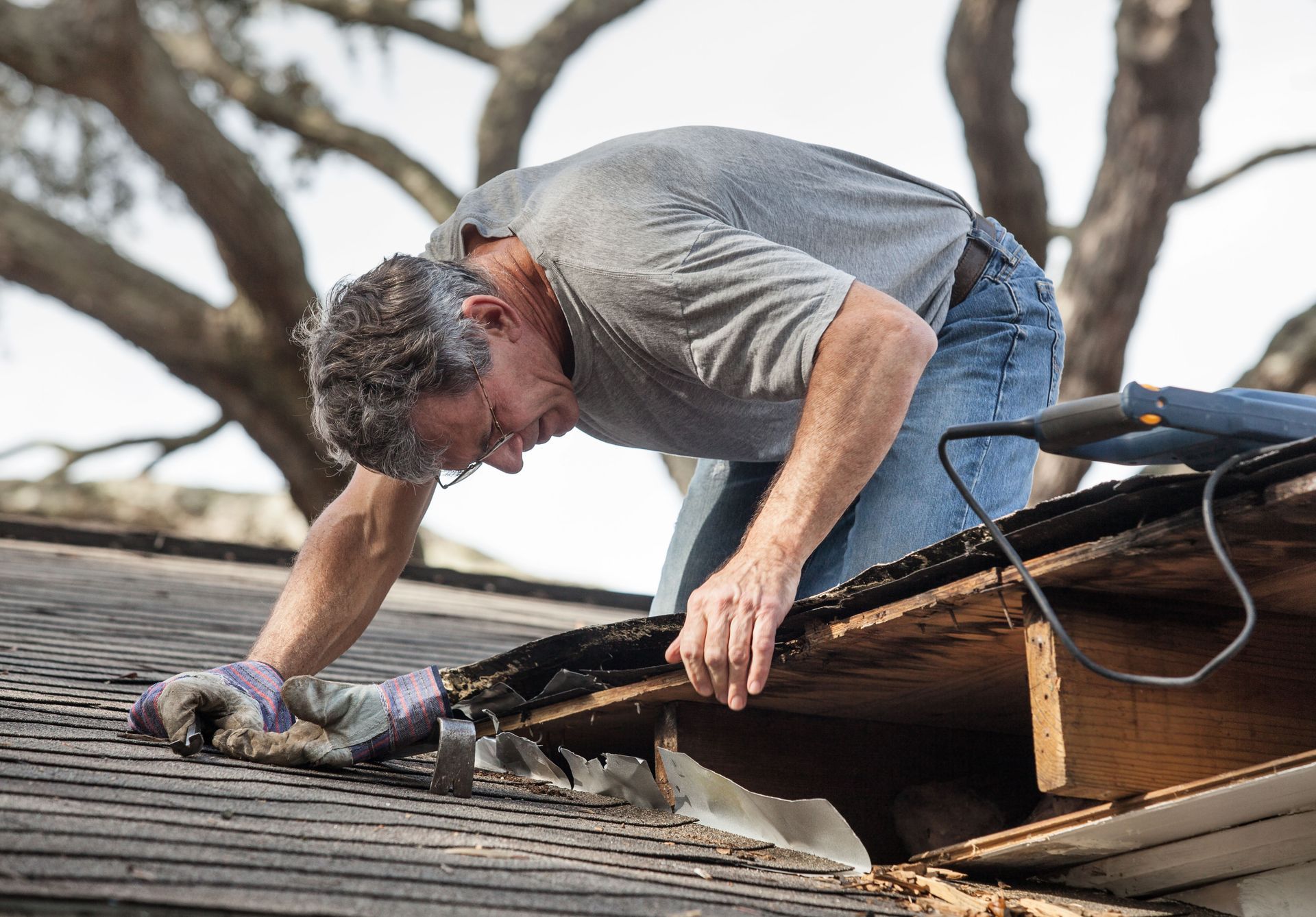
Missing shingles are more than just an aesthetic problem; they represent a literal hole in the armor of your house. High winds can strip away large sections of material, especially if the fasteners have rusted or the tabs have lost their seal. When the underlayment is visible to the naked eye, the home is immediately vulnerable to wood rot. A single missing shingle can allow hundreds of gallons of water into the structure over time.
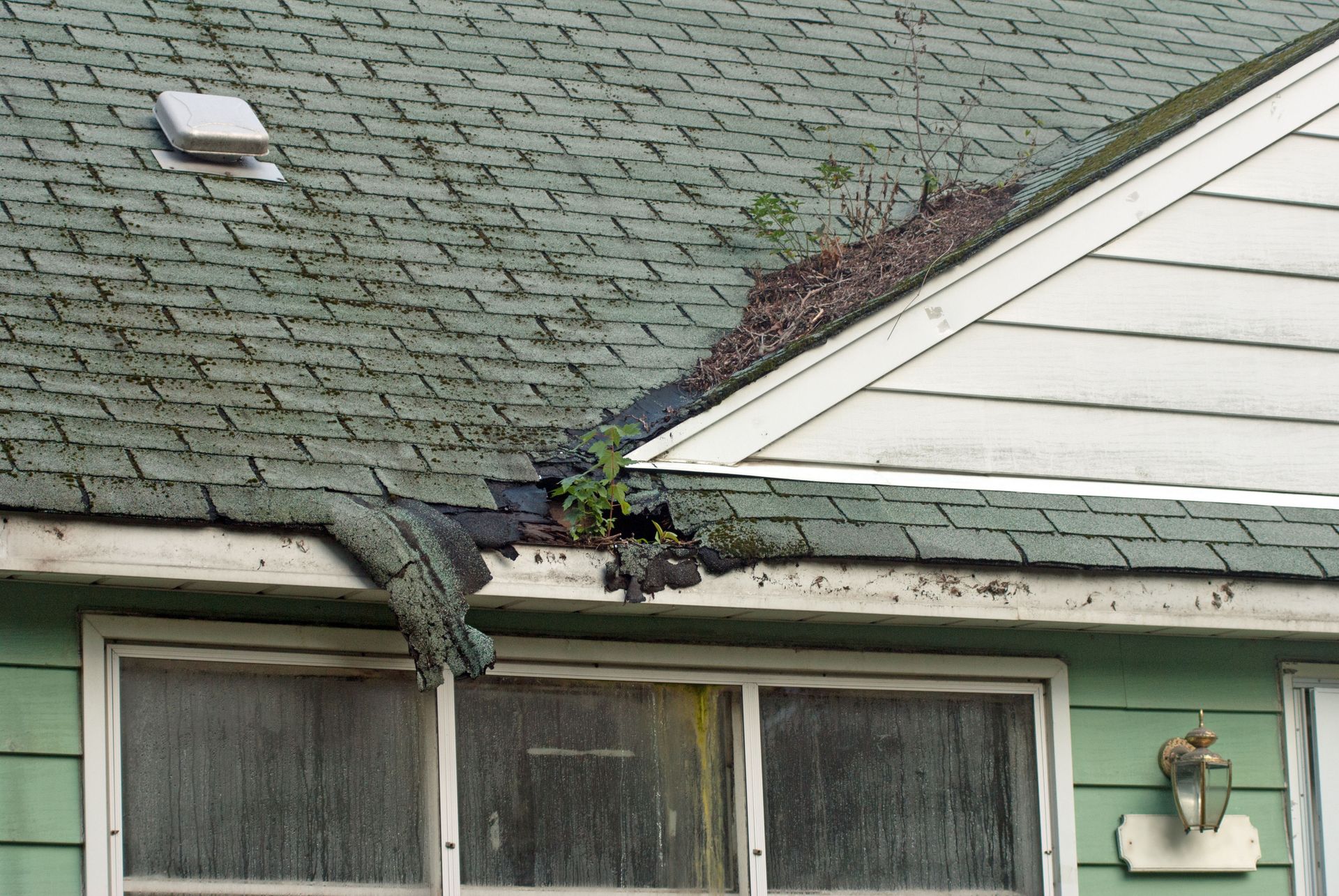
Flashing around chimneys, vents, and valleys is the most common point of failure for an aging system. If these metal components are rusted, warped, or missing, water will channel directly into the sensitive joints of the roof. Cracked boots around plumbing stacks are equally problematic, as they allow moisture to seep into the wall cavities of the kitchen or bathrooms. These metal transitions must remain watertight to protect the most vulnerable parts of the slope.
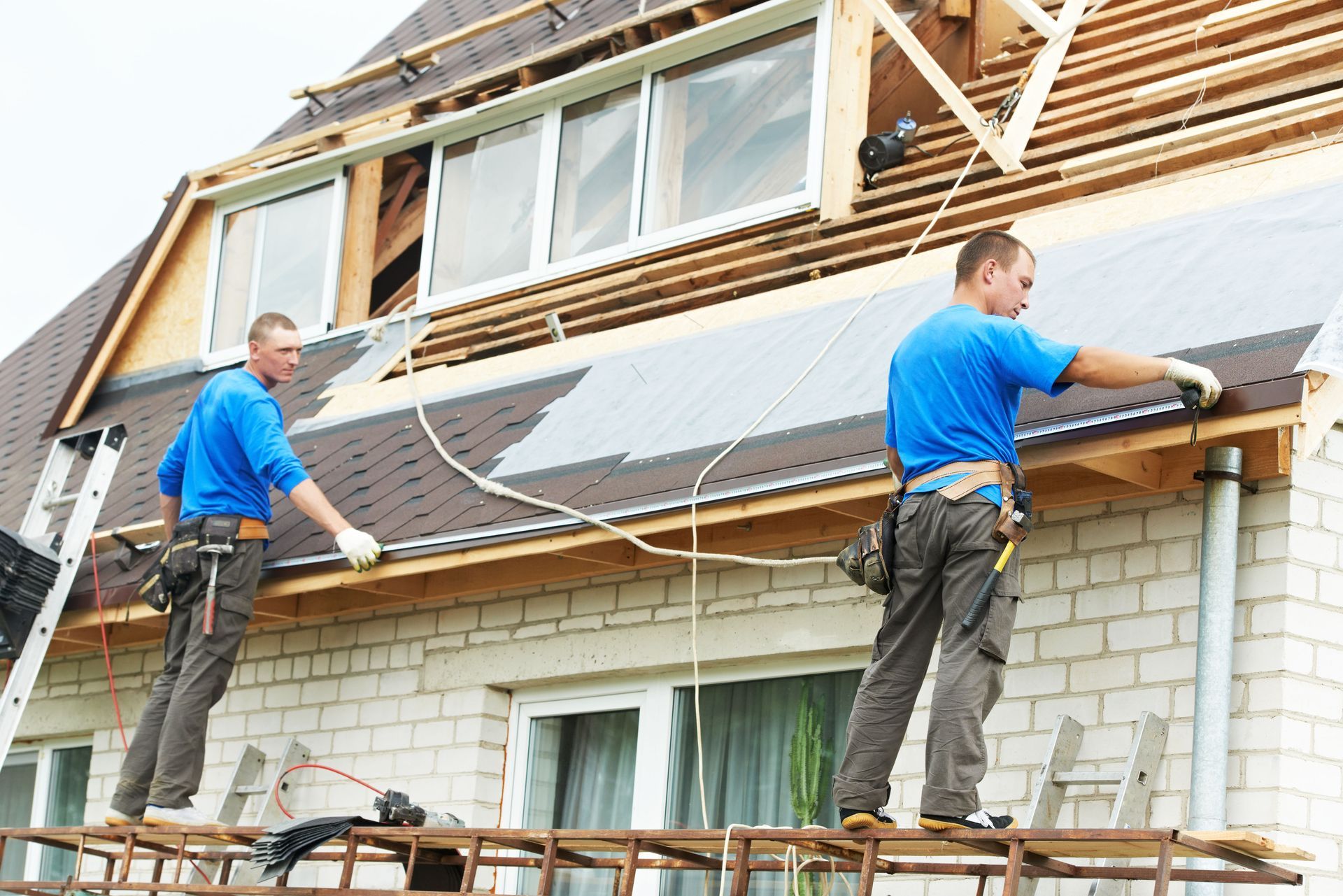
Widespread damage across multiple slopes indicates that the entire system is failing simultaneously. Patchwork solutions are ineffective when the surrounding materials are also weak and nearing the end of their utility. A coordinated roof replacement addresses every component, from the drip edge to the ridge vents, providing a unified and durable shield against the regional climate. Investing in a complete overhaul is the most efficient way to restore the exterior integrity of the building.
Recognizing the signals of an aging roof prevents minor leaks from becoming major structural catastrophes. By monitoring for granule loss, sagging, moisture intrusion, age, and physical damage, you can make an informed decision for your property. A timely roof replacement secures the long-term value and safety of your home. Taking action now provides peace of mind for the future. Contact Shark Construction today to discuss your next exterior project and restore your roof's safety.