March 23, 2026
Your roof plays a critical role in protecting your home from the elements while contributing to the overall appearance and value of the property. When it comes time to upgrade or invest in roof replacements, homeowners often compare two of the most popular options: asphalt shingles and metal roofing. Each material offers distinct advantages, and the right choice often depends on factors such as budget, durability, maintenance expectations, and aesthetic preferences.
Asphalt shingles have long been one of the most widely used roofing materials in the United States due to their affordability and ease of installation. Metal roofing, on the other hand, has gained popularity for its durability, energy efficiency, and modern appearance. Because both materials offer valuable benefits, homeowners may find it challenging to determine which option best suits their needs.
Understanding the strengths and considerations of each roofing material can help you make a confident and informed decision. A roofing professional can also help assess your home’s structure, climate conditions, and long-term goals when planning roof replacements.
According to This Old House, three-tab asphalt shingle roofs have a lifespan of around 20 years, while architectural asphalt shingles have a lifespan of approximately 30 years. This information highlights how roofing materials vary in longevity and why comparing options carefully is important.
In this article, we will explore the key differences between asphalt shingles and metal roofing so you can determine which roofing solution may be best for your home.
Comparing Material Durability and Longevity
Durability is one of the most important considerations when evaluating roofing materials. A roof must withstand weather conditions such as rain, wind, heat, and snow throughout its lifespan.
Asphalt shingles are designed to provide reliable protection for many years. Standard three-tab shingles typically last about two decades, while architectural shingles often provide longer performance due to their thicker construction. These materials are engineered to handle everyday weather exposure while maintaining structural integrity.
Metal roofing is often recognized for its long-term durability. Many metal roofing systems can last several decades when properly installed and maintained. Metal panels are resistant to cracking, shrinking, and erosion, making them a durable option in regions that experience heavy storms or fluctuating temperatures.
Homeowners planning roof replacements often weigh the lifespan of roofing materials carefully. While both asphalt shingles and metal roofing can provide dependable performance, their expected longevity may influence the overall value of the investment.
Comparing Installation and Replacement Processes
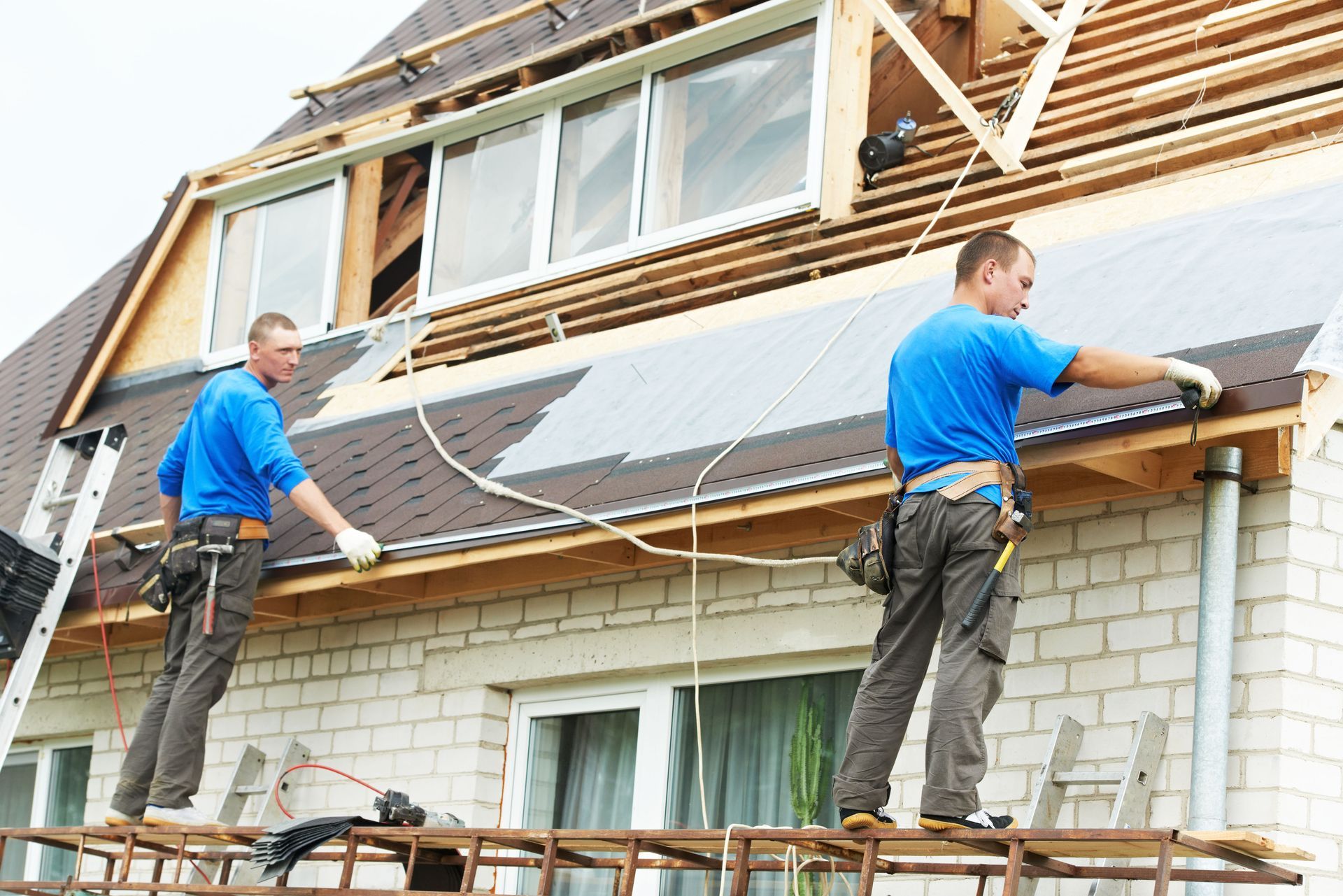
The installation process is another factor homeowners consider when choosing roofing materials. Asphalt shingles are widely used in part because they are relatively straightforward to install. Roofing contractors are familiar with shingle systems, and installation typically requires standard roofing tools and techniques.
Because shingles are installed in overlapping layers, they provide an effective water-shedding system that protects the roof deck beneath. If damage occurs in the future, individual shingles can often be replaced without affecting the entire roofing system.
Metal roofing installations involve a different process. Metal panels or shingles are carefully measured and secured with specialized fasteners and flashing systems. While installation may require more precision and specialized expertise, experienced roofing professionals are well-equipped to perform these installations efficiently.
When homeowners schedule roof replacements, contractors evaluate the structure of the roof and determine which installation method will provide the best results. Both asphalt shingles and metal roofing can be installed successfully when handled by experienced professionals.
Comparing Energy Efficiency and Climate Performance
Energy efficiency is another important factor when choosing roofing materials. The type of roof installed can influence how heat is absorbed or reflected, which can affect indoor temperatures and energy usage.
Asphalt shingles absorb a portion of the sun’s heat, which can contribute to warmer attic temperatures during hot weather. However, advancements in roofing technology have led to the development of reflective shingles designed to improve energy efficiency.
Metal roofing is known for its ability to reflect sunlight, which can help reduce heat absorption. Reflective metal surfaces can help keep attic spaces cooler during warmer months. This may contribute to improved energy efficiency for some homes.
Climate conditions also influence roofing decisions. Asphalt shingles perform well in many environments, including areas with moderate weather conditions. Metal roofing may offer additional advantages in regions that experience heavy snowfall, strong winds, or frequent storms.
When planning roof replacements, roofing professionals can evaluate climate considerations and recommend materials that perform well in local conditions.
Comparing Appearance and Design Flexibility
A roof contributes significantly to the visual appeal of a home. Homeowners often consider the aesthetic impact of roofing materials when planning upgrades or roof replacements.
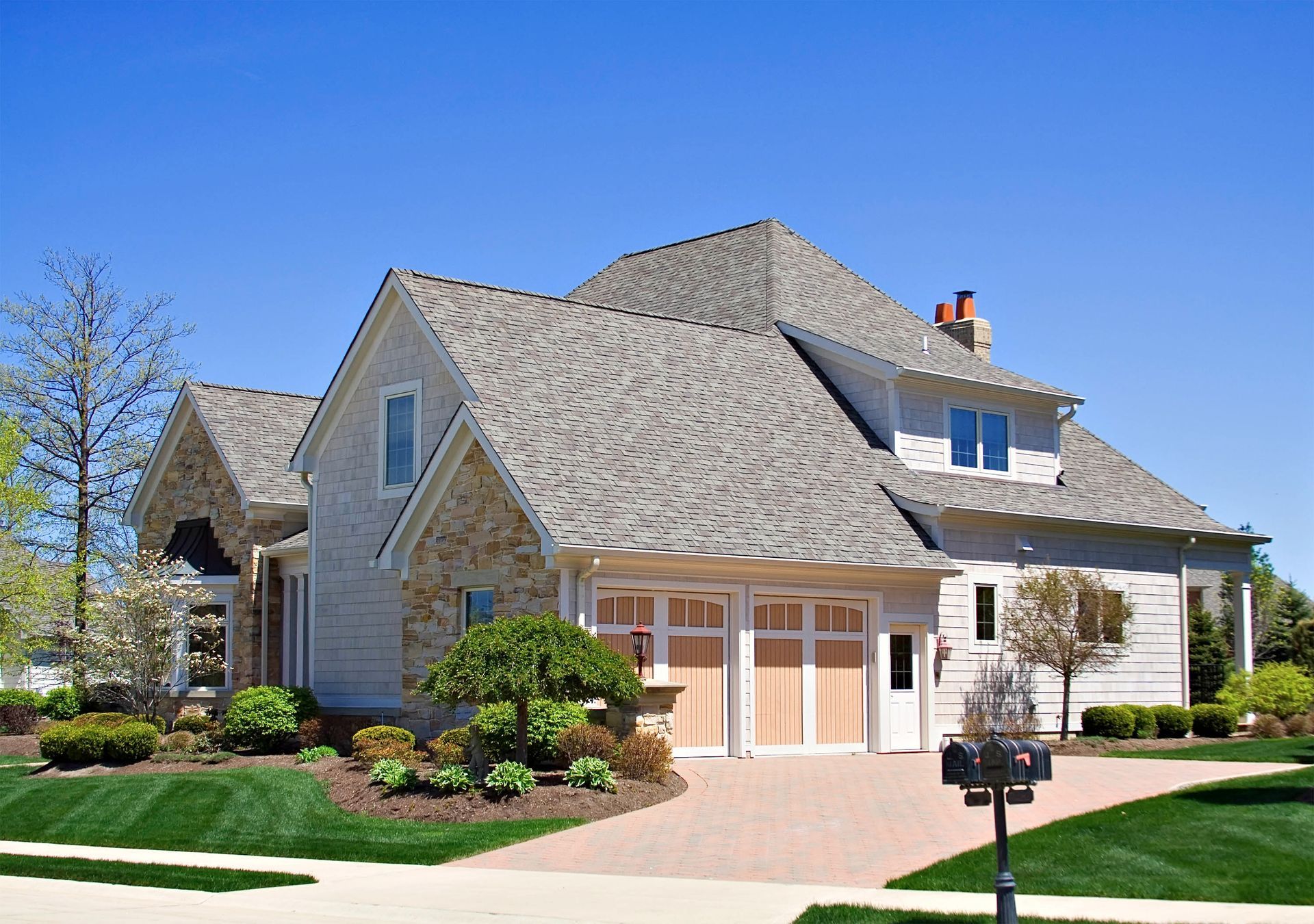
Asphalt shingles are available in a wide range of colors and styles, making them adaptable to many architectural designs. From traditional homes to modern residences, shingles provide a versatile roofing option that complements various exterior finishes.
Architectural shingles, in particular, are designed to create dimensional textures that resemble natural materials such as slate or wood shake. These shingles can enhance curb appeal while maintaining the familiar appearance many homeowners prefer.
Metal roofing offers a different aesthetic that can range from contemporary to traditional. Metal panels create clean lines that suit modern architecture, while metal shingles can replicate the look of traditional roofing materials.
With advances in manufacturing, metal roofing now comes in a variety of colors and finishes that allow homeowners to match their preferred style. Both asphalt shingles and metal roofing offer attractive options that can enhance the overall appearance of a home.
Comparing Maintenance and Repair Considerations
Roof maintenance is another important aspect of long-term home care. Regular inspections and minor repairs help extend the lifespan of any roofing system.
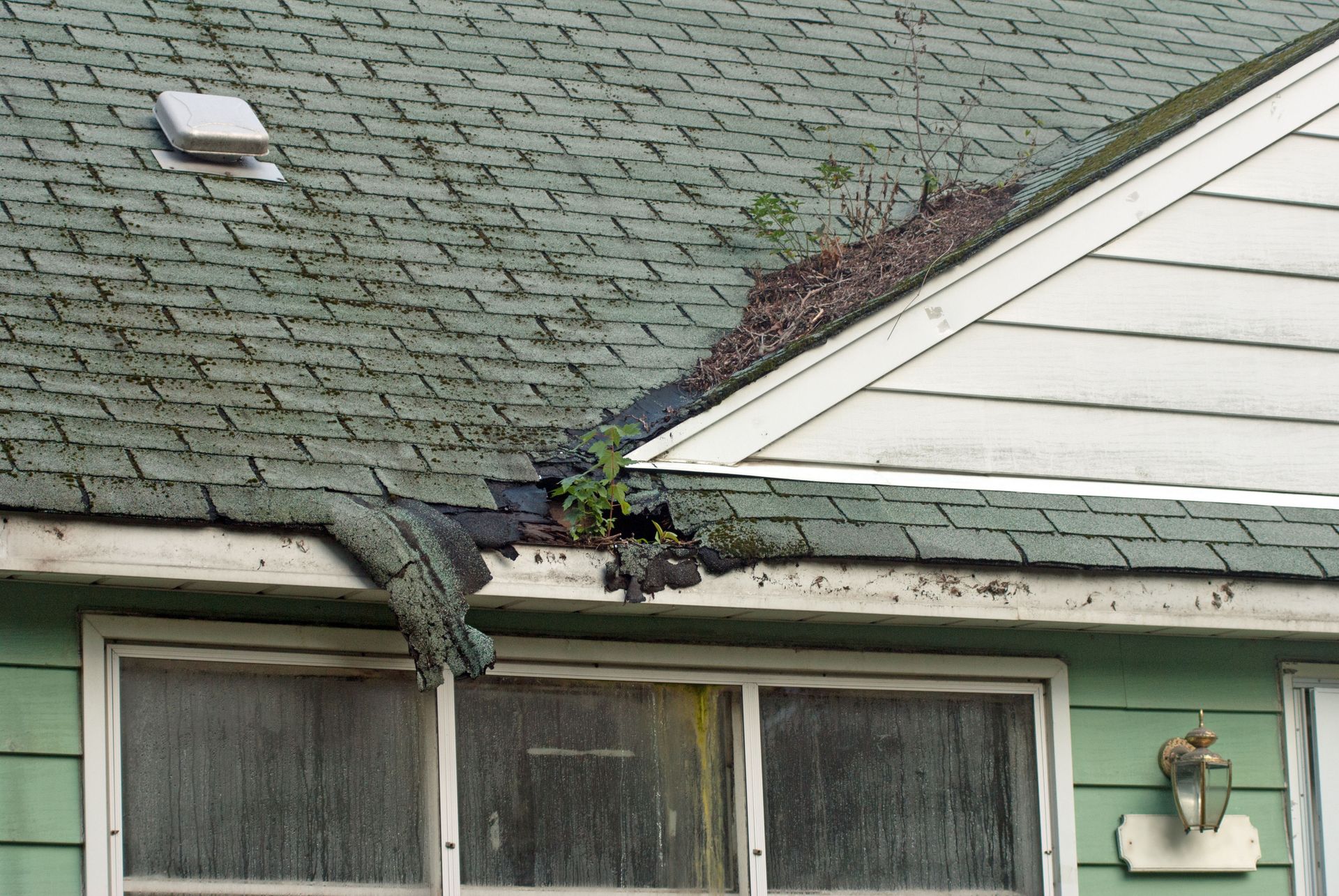
Asphalt shingles may occasionally require repairs due to factors such as wind damage, aging materials, or missing shingles. Fortunately, repairs are typically straightforward and can often be completed by replacing individual shingles.
Metal roofing systems are generally resistant to many common roofing issues. Metal panels do not crack or warp in the same way as some other materials may. However, fasteners, flashing, and sealants should still be inspected periodically to confirm they remain secure.
For homeowners considering roof replacements, understanding maintenance expectations can help guide the decision-making process. Both roofing materials can provide long-term performance when properly maintained.
Comparing Environmental Impact and Sustainability
Environmental considerations have become increasingly important in home improvement decisions. Roofing materials can influence sustainability through durability, recyclability, and energy efficiency.
Asphalt shingles are widely produced and remain a common roofing material across the country. Some manufacturers have introduced recycling programs that allow used shingles to be repurposed for construction materials such as pavement.
Metal roofing is often recognized for its recyclability. Many metal roofing products contain recycled materials and can be recycled again at the end of their lifespan. Because metal roofs can last for several decades, they may also reduce the frequency of roof replacements.
Choosing environmentally conscious materials may be an important factor for homeowners who want to reduce long-term waste while maintaining a durable roof.
If you are considering roof replacements and want to explore the benefits of asphalt shingles or metal roofing, contacting Shark Construction is a great first step. Our experienced team can help you compare options, answer your questions, and guide you toward a roofing solution that protects your home for years to come.