May 16, 2026
A roof serves as the critical barrier protecting a home from the elements, and its integrity is paramount for maintaining the safety and comfort of the household. Failing to replace a roof when necessary not only risks the structural stability of the home but also invites expensive damage that could otherwise be avoided. This article will explore the essential warning signs that indicate a roof replacement is due, offering homeowners the knowledge needed to make proactive decisions.
Replacing a roof may seem like a daunting task, but understanding the key warning signs can ease the decision-making process. Ignoring these signs might not only lead to an expensive and disruptive emergency replacement but also compromise the safety and energy efficiency of the home. By recognizing these symptoms early on, homeowners can strategically plan and budget for roofing projects, thereby safeguarding their property investment.
In 2025, the importance of maintaining and upgrading home exteriors became evident, as highlighted by the 2026 U.S. Houzz & Home Study, which found that 54% of homeowners completed renovation projects, including major exterior property upgrades. These statistics emphasize how crucial it is to stay ahead of potential issues, especially for major components like roofing, to avoid last-minute stress and significant costs. This article aims to arm you with the necessary insights to identify when your roof is crying out for attention.
1. Understanding Lifespan Expectations
The age of a roof is one of the most telling indicators of potential replacement needs. Different roofing materials, such as asphalt shingles, metal roofs, or clay tiles, each have varying life expectancies. Asphalt shingles, the most common roofing material in the U.S., typically last between 20 to 25 years, whereas metal and tile roofs can endure for 50 years or more. Understanding these lifespans allows homeowners to anticipate when a replacement might be necessary. Proactively planning for a roof replacement based on material age can prevent urgent and costly surprises.
Maintaining an understanding of your roof's material lifespan is pivotal for gauging its serviceability. For example, if a roof made of asphalt shingles is nearing the 20-year mark, it’s wise to start budgeting and planning for a replacement. Some may opt to push beyond this timeframe; however, the risk of shingles becoming brittle and susceptible to damage increases. Knowledge of these timeframes aids in managing expectations and preventing unforeseen emergencies. Keeping track of roofing materials and their age can also be a powerful tool in home resale negotiations, adding to property value.
Age is as much about exposure and material resilience as it is about years. Roofs endure varying conditions depending on their geographical location and environmental exposure. Coastal homes might experience rapid material wear due to salt in the air, while homes in areas with significant temperature fluctuations face different stressors. Factoring in these environmental impacts along with the material lifespan can provide a comprehensive picture of when a roof replacement is imminent. Accurate assessment of these factors ensures that planning for home improvements aligns with long-term property maintenance strategies.
2. Checking Warranty Details
A roof's warranty can serve as a critical factor in determining replacement needs and planning. Roofing warranties generally cover material defects and, in some cases, labor for a particular period, often ranging from 15 to 30 years. While these assurances offer peace of mind, homeowners should not rely solely on warranties as indicators of roof health. Often, warranties are voided due to improper installation or poor maintenance practices. Evaluating warranty terms and conditions helps homeowners understand coverage limitations and avoid assuming false security regarding roof longevity.
Interpreting warranty details involves careful scrutiny of both coverage duration and stipulations attached to the warranty service. For instance, some warranties mandate regular maintenance and inspections by certified professionals to remain valid. Neglecting these requirements can render the warranty useless just when homeowners might need it the most. Therefore, it is crucial to keep thorough records of maintenance activities as evidence of compliance with warranty terms. Understanding warranty provisions will equip homeowners to make informed decisions about when a roof may need replacing, despite warranty expectations.
In addition to manufacturer warranties, contractor warranties can also influence replacement timing. Contractor warranties typically cover workmanship for a set period, often much shorter than the material warranty. The interplay between these two warranties can impact decisions about when to replace a roof, particularly if issues arise that straddle both materials and installation. Weighing both warranties is essential, as they collectively impact the future financial obligations a homeowner might face. Being mindful of warranty coverage can also lead to more astute negotiations when considering roof replacement quotes and options.
3. Signs of Wear with Aging
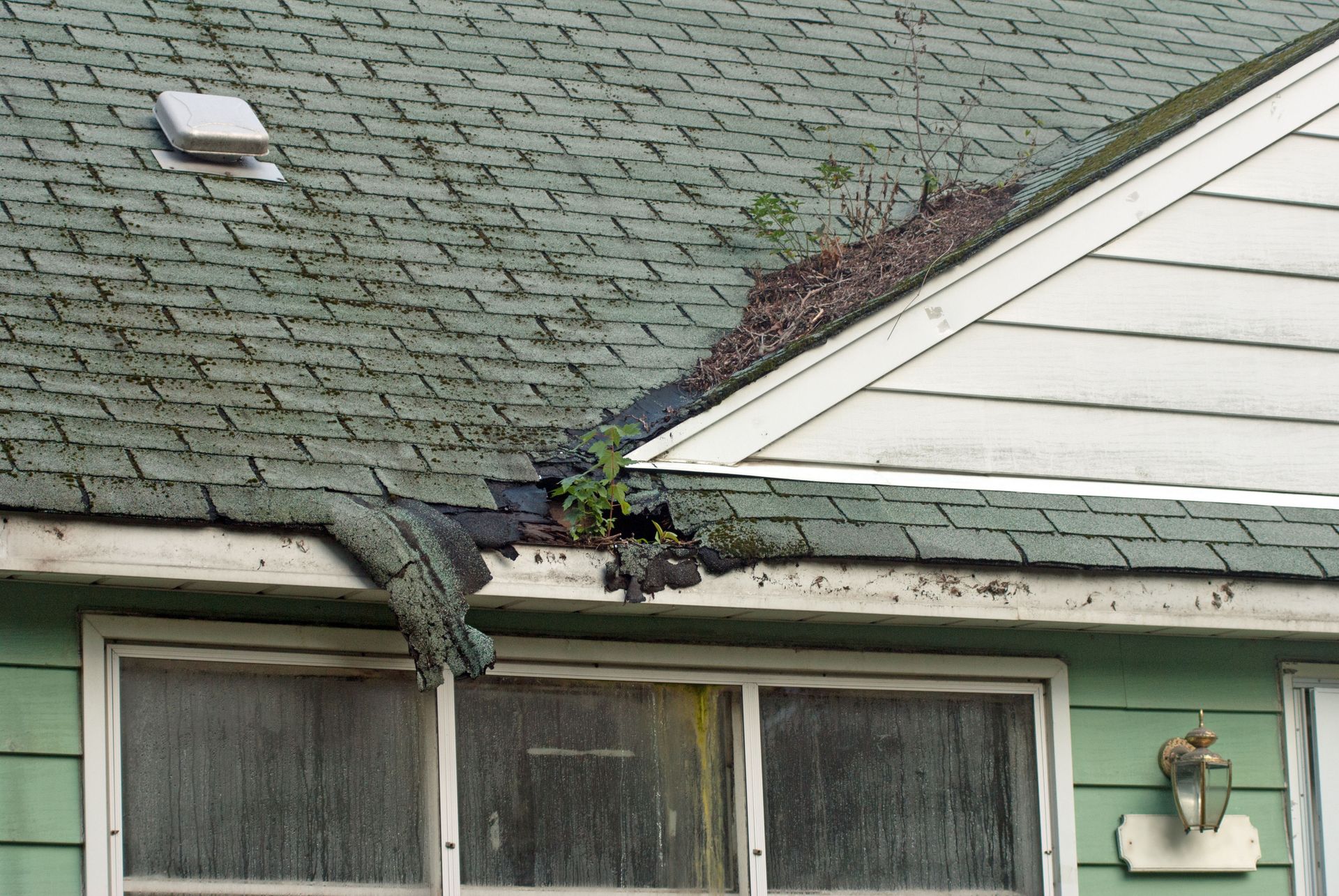
As roofs age, they exhibit various signs of wear which serve as indicators for replacement. Common aging symptoms include curling, buckling, and blistering of shingles, all of which suggest the materials have outlived their useful life. These changes in shingle form can lead to weakened water resilience, increasing the potential for leaks and water damage. Other telltale signs include granule loss, where the roof's surface starts developing bald spots, making it vulnerable to sunlight and precipitation. Homeowners spotting any combination of these wear indicators should consider consulting a roofing expert to assess replacement needs.
Despite a roof's visual appearance often offering the first clues of wear, internal damage can be more insidious. For instance, valleys and low points in the roof are notorious for accumulating minor damage that may not be immediately visible but can exacerbate over time. The same is true for the protective underlayment, which might deteriorate unnoticed until leaks manifest. Regular roof inspections can help detect these hidden areas of concern well before they necessitate emergency replacements. Continuing assessments ensure that any creeping deterioration is addressed promptly, maintaining the home’s structural integrity.
Consistent maintenance records further aid in identifying patterns indicative of roof aging. Tracking maintenance and repair histories allows homeowners to pinpoint recurring issues like blistering or frequent shingle replacements, which often accompany aging roofs. The absence of such a history can also raise a red flag about accelerated aging due to neglect. Maintaining a detailed ledger of inspections and repairs not only prolongs the roof’s life but informs potential replacement decisions. Such documentations prove invaluable during home sales, providing prospective buyers with comprehensive insight into the property’s upkeep.
4. Weather and Environmental Impact
The local climate plays a significant role in accelerating roof wear and precipitating replacement needs. Homes situated in areas prone to severe weather, such as hurricanes, hail storms, or heavy snowfall, often experience more frequent roof issues. These conditions can lead to damage through physical impact, weight, or persistent moisture exposure, all stressing roofing materials beyond their typical capacity. Incremental adverse effects from environmental exposure should prompt homeowners to inspect their roofs more diligently and perhaps schedule earlier replacements than initially anticipated. Accounting for local weather patterns is critical in adapting maintenance and replacement plans accordingly.
Constant exposure to environmental conditions like humidity, temperature swings, and UV radiation also affects roofing longevity. In regions with hot, sunny climates, UV rays can cause roofing materials to become brittle and prone to cracking. Contrastingly, in colder climates, freeze-thaw cycles can exacerbate wear by causing materials to expand and contract. Both scenarios illustrate why geographic considerations are paramount when assessing roof health and replacement timing. Such knowledge empowers homeowners to adopt preventative repair strategies that mitigate environmental stressors' impact over time.
Weather’s impact on roofs isn’t limited to dramatic event-driven damage; long-term climate trends also dictate replacement needs. Roofs in regions experiencing increased precipitation or unexpected temperature fluctuations must endure these changes or suffer reduced life spans. Understanding how broader climate patterns affect material deterioration helps in the selection of appropriate roofing materials tailored to withstand regional weather demands. When homeowners incorporate these insights into planning, they not only anticipate necessary replacements but also optimize the investment into their home's exterior durability. According to the 2026 U.S. Houzz & Home Study, 54% of homeowners completed renovation projects in 2025, including major exterior property upgrades. Be sure to reach out to Shark Construction today for more information on our professional roof replacements!