Most roofers who ask how to get roofing jobs don't have a lead problem. They have a consistency problem: three jobs one week, crickets the next. The fix is running two or three channels that produce work whether or not a storm rolls through, and this guide ranks all 14 by what they actually cost you per booked job.
Visit Shark Construction to see our services and request a free estimate.
The Short Answer
If you need work in the next 30 days, start here:
- Fastest cash flow: door knocking, cold calling commercial property managers, and calling your last 20 customers.
- Fastest paid leads: Local Services Ads, which bill per lead instead of per click.
- Cheapest long-term: a complete Google Business Profile plus service area pages you own.
- Highest close rate: referrals and repeat customers, because the trust is already built.
Here is the part most lead-gen articles skip. Running Shark Construction) crews across Fredericksburg and Stafford, our two best sources in a normal storm-free month are the Google Business Profile and repeat calls from past customers. Paid lead platforms gave us the highest lead volume and the lowest signature rate, because the same lead went to three other contractors at the same time.
14 Ways to Get Roofing Jobs in 2026
The channels run roughly from cheapest-to-acquire to most expensive: owned assets first, paid placements second, outbound hustle third. Pick two, run them for 90 days, then add a third.
1. Local SEO and Your Google Business Profile
Local SEO means ranking for searches like "roof replacement near me" in two places: the organic results and the Google Map Pack. The map pack sits higher and shows only three businesses, so it drives more calls.
Your Google Business Profile is the main lever. Fill in every field: exact business name, service descriptions, service area, hours, and real job photos uploaded regularly.
Never buy reviews. Google penalizes it, and recovering a suspended profile takes months.
On your own site, build one service area page per city you actually serve, like our Fredericksburg, VA page, with local project references and real detail. Thin copy-pasted location pages do not rank. Link them from your main roofing services page so both search engines and visitors can find them.
2. Local Services Ads
Local Services Ads appear above standard paid search results, and you pay per lead rather than per click. For a trade with high job values, that model usually beats guessing at cost per click.
Passing background and license screening earns the Google Guaranteed badge, which unlocks the format. Google then fills slots based on ratings, review volume, and how fast you respond. The fastest responder usually wins the lead.
3. A Website Built to Convert
Traffic that does not convert is a vanity metric. A roofing site that books work does three things well:
- Before and after photos of finished jobs, like our completed projects gallery
- One obvious offer repeated above and below the fold
- A short mobile form: name, phone, address, job type
Every extra form field costs you submissions. Most roof searches happen on a phone, often while the homeowner is standing in the driveway.
There is a B2B payoff too. General contractors look you up before they call, and project photos plus clear contact details answer "are these people legitimate" in about five seconds.
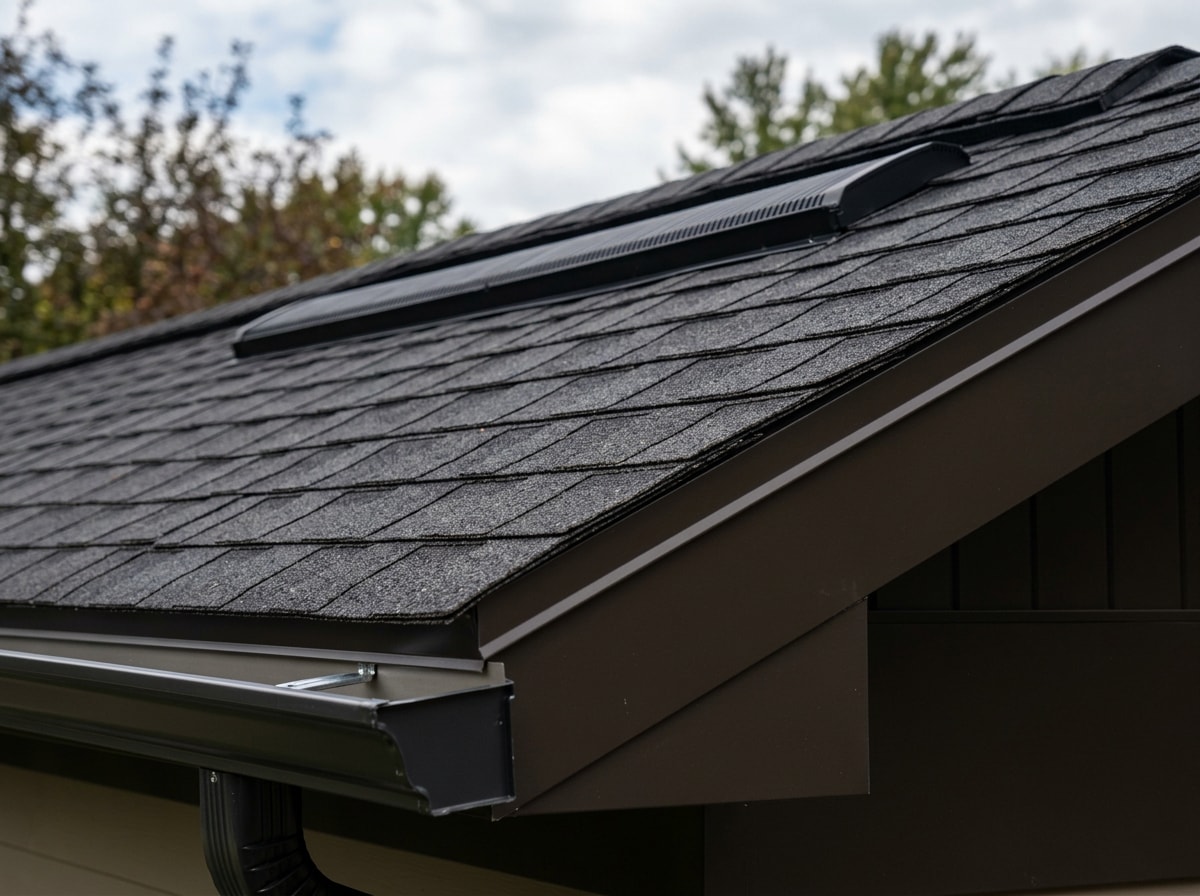
4. Door to Door Canvassing
D2D still works because the channel itself is free. You trade time instead of ad spend. Conversion runs in the low single digits, so canvassing is a volume game.
Keep the opener short: who you are, which roof on the street you just worked on, and one specific observation about theirs. If the homeowner hesitates, fall back to a free roof inspection instead of pushing for a signature.
Two cautions. Many municipalities require a solicitation permit, so check before your crew knocks. And storm chasers have given canvassing a reputation problem, so lead with local work you have actually done.
5. Cold Calling Commercial Prospects
Cold calling still works, especially on the commercial side. Build a list of property managers, facility directors, and multi-unit owners, then work it in blocks.
Keep the script to about 20 seconds: name, company, what you do locally, and one question about the roof's age or last inspection. Friendly beats polished. Residential cold calls convert poorly, so point this channel at commercial accounts.
6. Referrals From Past Customers
Past customers are the cheapest pipeline you will ever own. Add a referral program with a real incentive: a gift card, a repair discount, or a free gutter cleaning.
Referrals close faster than any cold channel. Homeowners who trusted you for a repair call you first for the replacement, and landlords with several properties turn one job into five.
7. Reviews and Reputation Management
Ask for the review while the crew is still cleaning up and the job feels impressive, not three weeks later by email.
Respond to every review, including the critical ones, in a calm professional tone. Prospects read your replies more closely than they read the complaints.
8. Community Events and Sponsorships
Visibility in your own market compounds. Sponsor a youth team, take a booth at a home show, or give a short talk on storm damage and insurance claims at a community center.
Homeowners remember the roofer who showed up before they needed one.
9. Social Media and LinkedIn
Post job photos, drone footage, and customer testimonials. The content is already on your phone.
LinkedIn deserves separate attention for commercial work. Connect with local GCs, message them directly, and post completed project photos where decision makers scroll.
10. Networking With General Contractors
Ask subcontractors where their work comes from and networking almost always tops the list.
Show up where GCs already gather: builders exchanges, contractor association meetings, supplier open houses, and industry events. The goal at a first meeting is a relationship, not a bid request. Ask what their current roofing sub struggles with, then follow up a week later with something useful.
GC relationships take months to produce revenue, then produce it for years.
11. Subcontractor Bid Lists and Prequalification
Getting on bid lists happens three ways: joining subcontractor bidding platforms, earning direct invitations from GCs you have met, and completing vendor prequalification with cities, school districts, and universities.
Prequalification usually means a packet: past projects, references, bonding capacity, safety record, and team resumes. Assemble it once and reuse it. It is the barrier most small roofers never bother to clear.
12. Government and Municipal Contracts
Plenty of roofers assume government roofing contracts only cover large industrial buildings. There is also steady work on housing authority units, military family housing, and municipal buildings.
To bid federal work, your business needs an active entity registration in SAM.gov before it can be awarded a contract. Then learn the bid format and practice writing competitive proposals.
Do not stop at federal. State and county procurement portals post smaller public bids with less competition.
The upside is dependable payment and credibility you can cite in private bids. The tradeoff is time, since award timelines stretch for months.
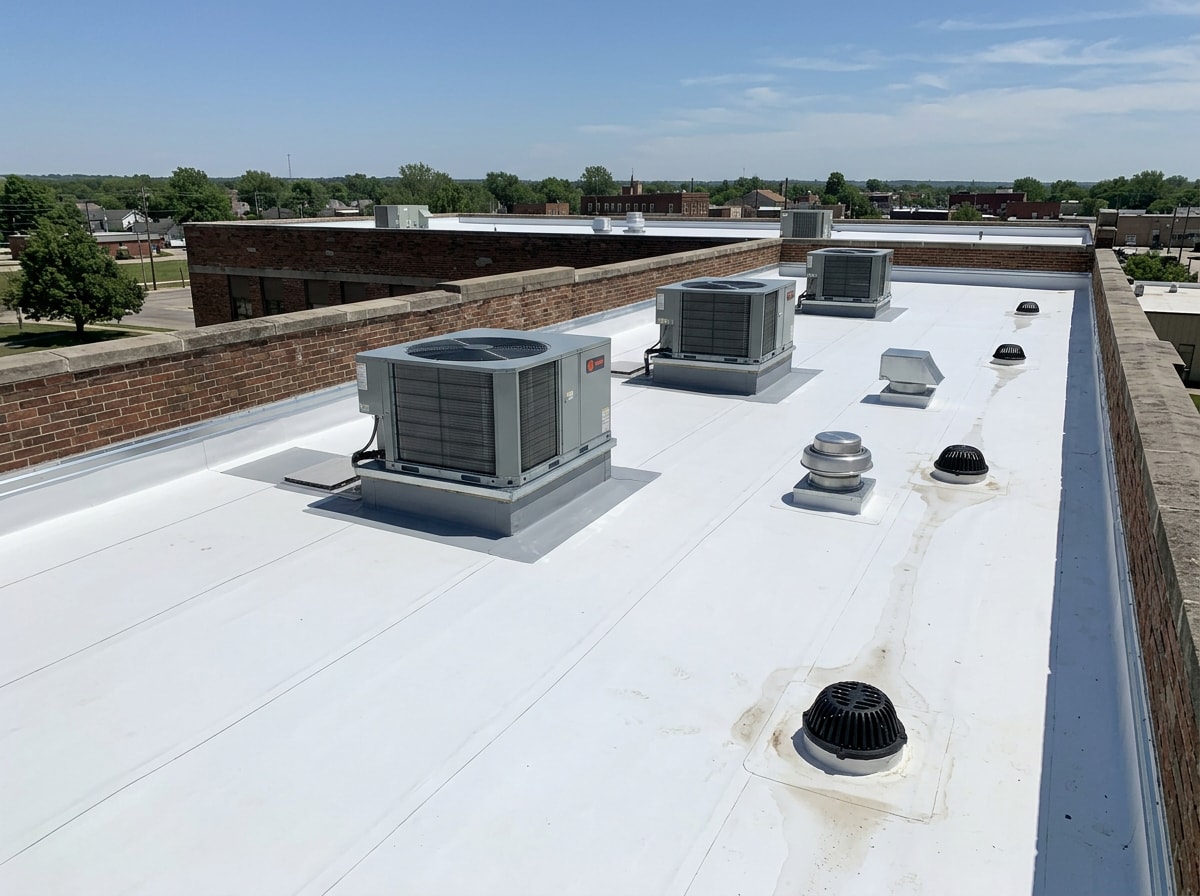
13. Rental Property Owners and Portfolio Clients
Landlords buy differently than homeowners. They care about reliability, turnaround, and cost across a portfolio, not the premium shingle upgrade. Win one owner and you may win six roofs.
Finding them is straightforward. Public property records show owner mailing addresses that differ from the property address, which is the clearest signal of a rental. Build that list and send a maintenance-focused direct mail piece.
The U.S. homeownership rate was 65.0 percent in the second quarter of 2026 according to the Census Bureau's housing vacancy survey, which means roughly a third of occupied homes in your service area are rentals. Agents who work with investors are another route, since they hear about failing roofs first.
14. Paid Lead Platforms and Directories
Lead platforms are the most expensive channel per booked job because the lead is usually shared and the customer belongs to the platform, not you.
Do the math before you sign. A lead that costs $120 and books one time in six is $720 of acquisition cost per job. That can still work on a $14,000 replacement and never work on a $600 repair.
Channel Comparison: Cost, Speed, and Who Owns the Customer
| Channel | Cost model | Speed to first job | Lead exclusivity | Who owns the customer |
|---|---|---|---|---|
| Local SEO and GBP | Free to low, time heavy | 3 to 6 months | Exclusive | You |
| Local Services Ads | Pay per lead | Days | Shared with 2 to 3 | Google, then you |
| Website and CTA | Fixed build cost | Immediate once traffic exists | Exclusive | You |
| Door to door | Time only | Same week | Exclusive | You |
| Lead gen platforms | Pay per lead | Days | Usually shared | The platform |
| Referrals | Incentive cost | Ongoing | Exclusive | You |
| GC and sub bidding | Time plus bonding | 1 to 6 months | Invite based | The GC |
Treat those as ranges, not benchmarks. Track your own booked-job rate per source for 90 days and trust that instead.
What You Need Before Any of This Works
Get the compliance side locked down before you spend a dollar on marketing.
Most states require a contractor license or registration, and the rules vary. Virginia issues contractor licenses in Classes A, B, and C based on the dollar value of the work, and the class you hold caps the size of job you can legally bid. Some states handle it at the county or city level instead, so check your own board.
General liability insurance and workers' comp come next. Being bonded and insured is the first thing a property manager or GC asks for.
Then safety. Documented fall protection training is required for construction work at height under OSHA's fall protection standards, and a crew with current cards wins commercial bids that uninsured competitors never see.
Convert the Leads You Already Have
Generating leads is the easy half. Booking them is where the margin lives.
Here is the cadence we run from one missed call:
- Automatic text back within 60 seconds
- Live callback within 10 minutes
- Inspection booked for the next morning
- Proposal emailed that afternoon
- Follow up call on day 2
- Value-add email on day 5
- Final check in on day 12
Most signatures land between day 2 and day 12, and only if someone is actually running the sequence. Track every lead in a CRM so nothing dies in a text thread.
Your estimate should educate without burying the homeowner in jargon. Price ranges help, and our 2026 roofing cost guide is the kind of anchor homeowners use before they ever call. Storm season is its own funnel, so keep an emergency roof repair path visible on the site year round.
Want a working example of a conversion path? Get a free estimate and watch how fast the response comes back.
Looking for a Roofing Job as a Worker, Not a Contractor
If you are searching for employment rather than contracts, the path is different and shorter.
- Apply directly to local roofing companies rather than only through job boards, since most small crews hire by word of mouth.
- Get OSHA 10 or OSHA 30 and a fall protection card. Safety cards move your resume to the top of the pile.
- Learn one commercial system, like TPO or EPDM, if you want higher pay than residential tear-off work.
- Ask about apprenticeships through local roofers' unions or supplier branches.
Formal education is rarely required. Showing up on time with your own boots, harness, and a clean driving record is worth more than a certificate.
FAQ
What is the best way to get roofing leads without paying for them?
Optimize your Google Business Profile, build location-specific service area pages, and ask every satisfied customer for a referral and a review. These build slower than paid ads, but they keep producing without ongoing spend and the customer relationship stays yours.
How do I get my first roofing job with no reviews and no portfolio?
Do two or three jobs at cost for people who will let you photograph the work and leave a review. Then canvass the streets around those roofs. A real local address beats a stock photo every time.
How much do roofing leads cost?
It varies by market and channel, so measure cost per booked job instead of cost per lead. Divide what you spent on a channel by the number of signed contracts it produced. That single number settles every argument about which channel to keep.
Are lead generation services worth it for roofing businesses?
Conditionally. If your average job is large and you convert enough leads to clear the cost, the math works. Shared leads lower your odds, so track booked jobs per platform rather than raw lead count.
How do you get roofing leads after a storm?
Pre-position before the weather hits with current licensing, crew availability, and a storm response page on your site. Afterward, canvass the affected area quickly. Be honest about insurance claims, because promising a covered hail damage roof you have not inspected creates problems later.
Do I need a license to get roofing jobs?
In most states, yes, at least above a dollar threshold. Commercial clients, GCs, and public agencies will ask for the license number, a certificate of insurance, and workers' comp proof before they let you bid.
How do established roofing businesses scale lead generation?
They layer repeat jobs and referrals on top of an owned search presence, so a baseline of work arrives without spend. Then they measure which sources produce booked jobs and shift budget toward whatever performs. Lead tracking, not more channels, is what makes scale repeatable.
Bottom Line on How to Get Roofing Jobs
These channels work stacked, not chosen.
A sensible 90-day sequence from zero:
- Days 1 to 30: claim and complete your Google Business Profile, fix the website CTA, ask your last ten customers for reviews.
- Days 31 to 60: add canvassing or cold calling for immediate cash flow.
- Days 61 to 90: launch Local Services Ads and start networking with local GCs.
That is a workable plan without a big budget. Start today by auditing your own profile the way a homeowner would, and if you want to see how a full-service roofing contractor handles intake from the first click, contact our team.