I'll research the SERP landscape and verify external sources before revising.
Most owners asking how to grow your roofing business assume the answer is more leads. It usually isn't. The ceiling is almost always crew capacity, estimate turnaround or follow-up speed, and this playbook tackles those in the order that pays back fastest.
Key Takeaways
- Find the binding constraint first. Spending on leads while your estimates go out four days late just wastes budget.
- Lead channels pay back at different speeds. Referrals and Google Business Profile cost least but take months. Paid search buys speed at a price.
- Estimate turnaround is the single cheapest close-rate fix most roofing contractors have available.
- Crew capacity caps growth before demand does. Recruit during your slow quarter.
- Workmanship and fast follow-up drive referrals, the lowest-cost channel in the trade.
- Maintenance plans and adjacent services like gutters and siding smooth out slow quarters.
Step 1: Find the Constraint Before You Spend a Dollar
Run this diagnostic before any marketing decision. Pull your last 30 leads and answer four questions.
- How many leads never got a callback inside two hours? If it's more than a handful, your problem is intake, not volume.
- How many estimates went out more than 48 hours after the site visit? That's lost revenue you already paid to generate.
- How many won jobs are sitting unscheduled past four weeks? That's a crew problem.
- How many jobs produced a callback or warranty visit? That's a quality problem bleeding referrals.
Whichever number is ugliest is where your next dollar goes. Buying leads to feed a broken intake process is the most common and most expensive mistake in the trade.
Step 2: Build Lead Generation That Actually Compounds
Roofing lead generation splits into five channels, and each earns its budget at a different company stage. Google Business Profile and referrals cost the least and close the best, but take months to build. Paid search produces leads within days at a higher cost per lead. Door knocking converts cheaply and doesn't scale past a point.
The table below reflects what we track across our own Virginia service areas and what we compare notes on with contractors in nearby markets. Treat every figure as a planning range, not a promise. Your market, season and storm activity move these numbers a lot.
| Channel | Cost per lead (our range) | Close rate | Time to first lead | Best-fit stage |
|---|---|---|---|---|
| Google Business Profile (map/organic) | $0 to $25 | 35% to 50% | 1 to 3 months | All stages |
| Paid search | $90 to $250 | 20% to 30% | 1 to 7 days | 2 to 3 crews and up |
| Door knocking / canvassing | $40 to $120 | 15% to 25% | Same day | Solo to first crew |
| Referral partnerships | $0 to $50 | 50% to 70% | 2 to 6 months | All stages |
| Paid social | $35 to $120 | 8% to 15% | 3 to 10 days | 2 to 3 crews and up |
Two things stand out when you look at it this way.
First, paid search is expensive per lead but honest about it. High-intent terms like "roof repair near me" clear a real auction price, and those searchers are actively shopping, which is why close rates hold up.
Second, referral partnerships are the most underused channel in roofing. Insurance agents, real estate agents, property managers and general contractors send work consistently once you have proved you show up on time. One standing relationship with a property manager can outproduce a month of paid social at a fraction of the cost.
Here is what that looked like for us. In a recent 90-day stretch, roughly 60% of our closed residential revenue traced back to two sources that cost almost nothing: repeat and referral work, and Google Business Profile calls from people who had already seen our finished jobs on their street. Paid channels filled the gaps between storms, not the core of the schedule.
Make Your Website and Profile Worth the Traffic
A great ad pointed at a slow, dated website burns money quietly. Build the credibility layer first.
A growing roofer needs five page types:
- Individual service pages for replacement, repair, inspection and specialty work
- A page for each city or county you cover
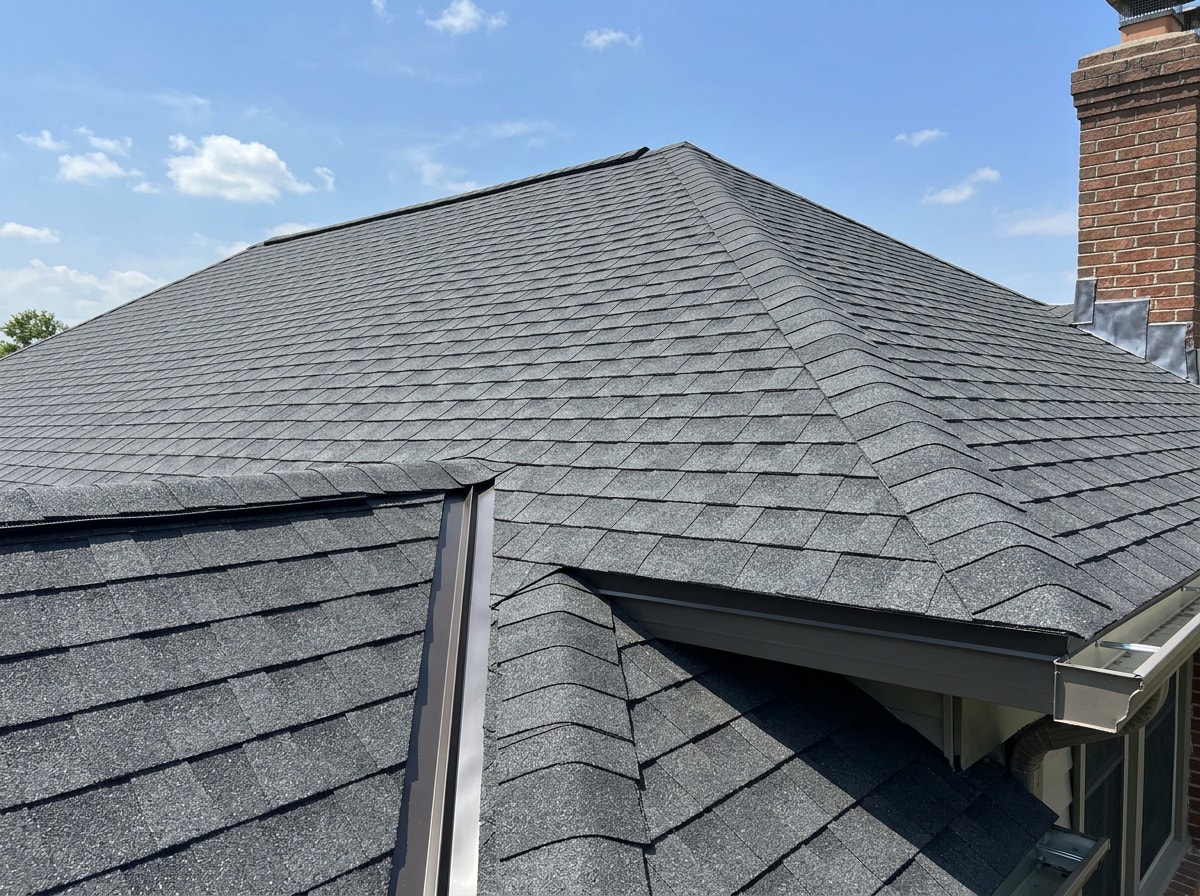
- A project gallery with real photos, like our completed project portfolio
- A page carrying licensing and insurance details
- A short, obvious quote form on every page
Our roofing services lineup shows how that structure maps to how homeowners actually search: category page on top, individual services underneath.
Two local SEO moves carry most of the leverage. Keep your name, address and phone identical across every directory, because mismatched listings dilute local signals more than owners expect. Then write one substantial page per market you serve, with its own photos and local project references, the way our Fredericksburg service area page and Culpeper page are built.
A caveat on that second tactic. Thin city pages with the town name swapped out read as low-value content and can hurt you. If you can't write something genuinely specific about a market, skip the page until you can.
Use Social Media Without Burning Hours
Pick two channels and post consistently rather than spreading across five. Facebook and Instagram work for residential. LinkedIn earns its place if you want commercial or property-management work.
Post project updates, reply to comments, and use modest paid boosts inside your service radius. Before-and-after photos build trust faster than anything else you can publish. The goal isn't reach. It's the same local community seeing your work repeatedly until your name is the one they remember.
Step 3: Speed Up Your Estimating Process
The roofer who gets a proposal in front of the homeowner first wins a disproportionate share of those jobs. Hand-measuring every roof and sending a proposal two days later loses work to competitors using satellite measurement, even when the competitor's price is higher.
Benchmark your own turnaround against these two timelines.
Manual process: inquiry received, callback within 24 hours, site visit scheduled 2 to 4 days out, roof hand-measured in 60 to 90 minutes, proposal built that evening, delivered 4 to 6 days after the first call.
Satellite or drone-assisted process: inquiry received, callback within 1 hour, measurement report ordered same day and returned within 24 hours, proposal built from templated pricing in 20 to 30 minutes, delivered inside 48 hours.
That three to four day gap is usually the whole contest. If your average response time is slipping past a day and proposals past 48 hours, your close rate is leaking regardless of how good your price is.
Homeowners reading this instead of contractors: that same speed standard is what you should expect from anyone bidding your roof. Get a free estimate and see how fast a real one comes back.
Step 4: Hire Crews Before You Are Desperate
Demand rarely caps a roofing company first. Crew capacity does. You can win every bid in your market and still flatline if you can't staff the installs.
Pay attention to the labor math. The U.S. Bureau of Labor Statistics occupational profile for roofers reports a 2025 median wage of $55,440 per year and projects employment to grow about 5% through 2035, faster than average. Translation: the people you want already have options.
Practical moves that work:
- Advertise for crew the way you advertise for customers, with a real job post and a clear pitch.
- Show a visible path from laborer to foreman so people have a reason to stay.
- Streamline hiring so you can make an offer within days, not weeks.
- Pay competitively and back it with benefits, because turnover costs show up as callbacks and slow installs, not as a line on your P&L.
Safety training is both a retention and an insurance-cost lever. Fall protection is required for construction work at six feet or more under OSHA's construction fall protection standards, and a documented program plus a clean incident record directly affects your premiums. If you are building a bench from scratch, our guide on how to find roofing crews you can count on covers sourcing and vetting in detail.
Add Sales Capacity Slightly Ahead of Demand
The owner-as-only-salesperson model has a hard ceiling. Once you are running estimates, managing crews and chasing collections, your closing ratio drops because you can't respond fast enough.
Give a new rep a documented process and script, feed them leads so they aren't cold-starting, set realistic first-90-day targets, and pair them with an experienced closer for ride-alongs in month one. On pay, a modest base plus commission on gross profit rather than revenue keeps reps from discounting their way to a bonus. Expect three to six months before the hire pays for themselves.
Culture Is Mechanics, Not Posters
Quick morning huddles, mid-job check-ins and leadership that is genuinely approachable help crews surface problems early, before they become callbacks.
Hiring aggressively into a weak culture backfires. You bring in people who disrupt the crew you already trust, and you end up replacing good installers to keep bad ones. Ask your foremen what is slowing them down, then fix one thing a month. Visible follow-through improves crew communication faster than any incentive program.
Step 5: Protect the Referral Engine
Referrals are the cheapest growth channel you will ever have, and they are a direct output of workmanship. Nobody refers a roof that leaked twice.
Most reviews are decided by small things. Show up when you said you would. Keep customers informed without them chasing you. Follow up after the job and resolve concerns fast.
Transparency sets the tone early. A detailed estimate that spells out scope, labor and materials prevents the arguments that sour otherwise good jobs. Offer a workmanship warranty beyond the manufacturer guarantee and make sure the homeowner understands exactly what it covers, because ambiguity here creates disputes that cost more than the repair would have.
Timing drives review volume. Request the review the moment the job is signed off, while the roof still looks new. Take finished photos on the same visit with permission, so you have proof to publish and references to send prospects.
Step 6: Tighten Operations Before Growth Exposes Them
The jobs you lose at eight crews are rarely lost on price. They are lost to a proposal that went out late or a schedule that double-booked a foreman.
Consolidation beats adding tools. Schedule crews, track job progress and materials, send invoices and collect payment in one system. Keep job messages in a single thread instead of scattered across personal texts.
Documented SOPs are what make crews repeatable. Write down your tear-off checklist, your punch-list process and your handoff from sales to production, so quality doesn't depend on which foreman is on site.
Step 7: Expand Services to Smooth the Slow Quarters
Adding service lines is a revenue-stability play more than an upsell.
Maintenance plans are the clearest example. They create recurring revenue and bundle scheduled inspections, minor repairs and debris clearing. The National Roofing Contractors Association recommends scheduled roof inspections at least twice a year, preferably spring and fall, which gives you a credible basis for how often plan visits should happen and makes roof inspection an easy sell rather than a hard one.
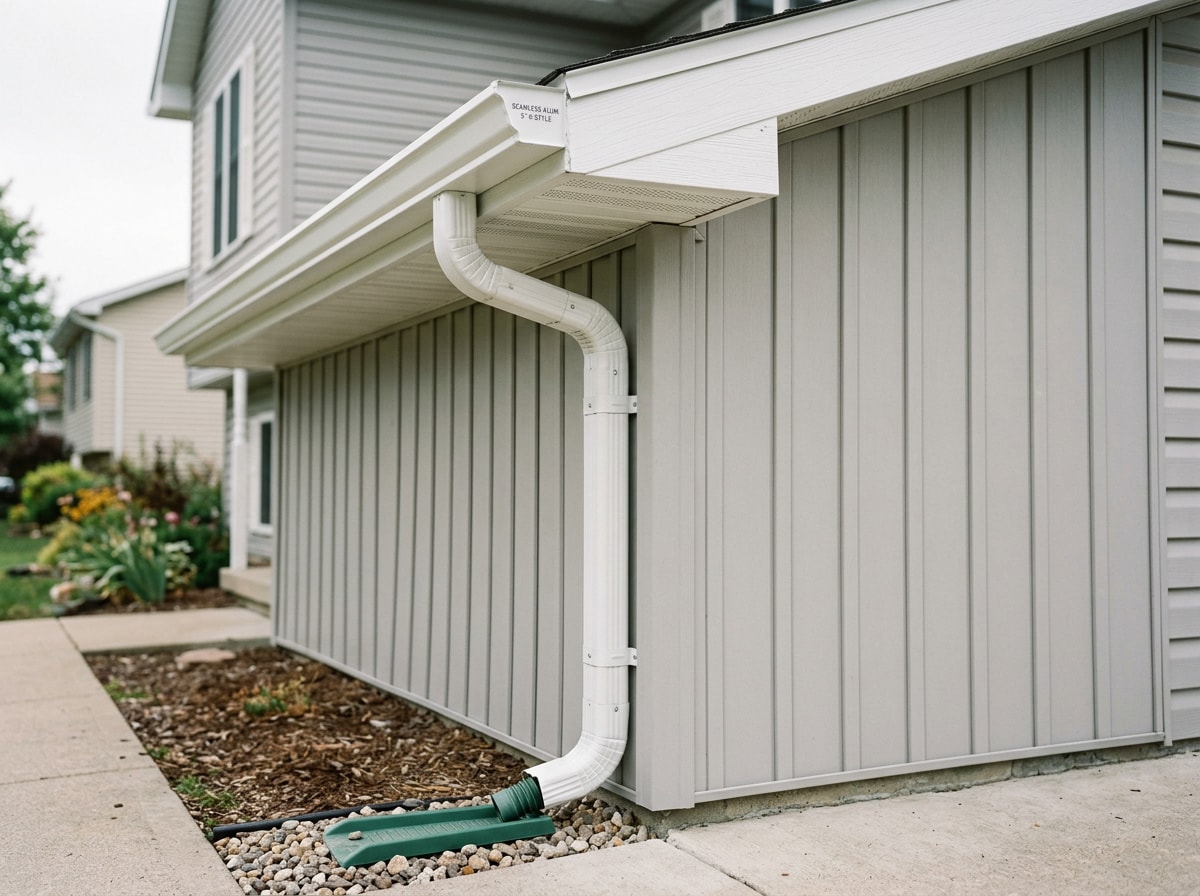
Most crews can absorb adjacent work without new equipment, including gutter installation, fascia and soffit, siding and attic ventilation. Gutters and inspections sell well in shoulder months when replacement demand softens.
One caution: licensing rules vary by state and specialty. Confirm requirements with your state licensing board or local building department before you advertise a new trade.
Step 8: Write the Plan That Keeps It Honest
A roofing business plan doesn't need forty pages. It needs a revenue target, a service mix, a staffing model tied to that revenue, a marketing budget and a cash flow forecast that accounts for your slow season. The SBA's free business plan guide and templates cover both traditional and lean one-page formats if you want a starting structure.
Write goals the way an owner would actually phrase them:
- Hit $2.4M revenue by December 31, 2026, with 70% from residential replacement.
- Add a second install crew by May 1 and keep it booked four weeks out through October.
- Average 18 completed jobs per month by Q3, up from 11 today.
For market research, you can do most of it without hiring anyone:
- Permit records from your county tell you who pulls the most roofing permits and where.
- Google results for "roofer plus your city" show who owns the map pack and what they promise.
- Supplier reps know which contractors are buying volume and which have slowed.
- Short post-job surveys reveal why customers chose you and who else they called.
Four leading indicators that it is time to add capacity:
- Backlog consistently past three to four weeks
- Lead response time slipping beyond a few hours
- Estimate turnaround creeping past 48 hours
- Foremen working six-day weeks for a month straight
Build the infrastructure during your slow quarter, when you have time to do it properly. Hiring after the backlog blows out guarantees you settle for whoever is available.
FAQ
What is the most important aspect of growing a roofing business?
Workmanship quality paired with fast, consistent communication. Both drive repeat business and referrals, which are the lowest-cost leads you will ever get. Marketing fills a schedule temporarily. A reputation for clean installs keeps it full.
How do I get more roofing leads quickly?
Paid search and door knocking are the only two channels that produce leads in days rather than months. Paid search works if you have a credible website and can respond within an hour. Door knocking works best around a job already in progress. Build Google Business Profile and referral partnerships at the same time, because those are what make the paid channels unnecessary later.
Is the roofing business profitable?
Roofing is one of the more profitable trades, but only with pricing and overhead discipline. Contractors who underbid to win volume, or who let material waste and callbacks go unmanaged, often run far thinner than expected. Margins follow job costing, not revenue.
What is the average profit margin for a roofing company?
Commonly cited ranges for residential roofing are roughly 25% to 40% gross and single digits to around 15% net. Commercial work often carries lower gross margins on larger contracts, and new construction is usually thinnest. These are ranges, not benchmarks. Your overhead, crew productivity and local pricing decide where you land.
How much does it cost to start a roofing business?
It varies widely by state and by whether you subcontract or run your own crew. The predictable line items are licensing and bonding, general liability and workers' compensation insurance, a truck and trailer, tools, and working capital to float materials and payroll between draws. Insurance and working capital are usually the two that surprise new owners.
How long does it take for a roofing contractor to become profitable?
Most new roofing contractors reach break-even within 6 to 18 months and stable profitability in year two or three. The timeline depends on startup costs, insurance outlays, whether you subcontract, and how quickly you build steady repeat work. Low overhead shortens it considerably.
How do I scale from one crew to three?
Document the process the first crew follows, then hire the second crew against that document rather than against a job. Add a dedicated scheduler or production manager before the third crew, because that is where owner-run scheduling breaks down. Keep backlog at three to four weeks as your signal to add the next one.
Do I need a license to run a roofing business?
In most states, yes, and requirements differ by contract value and specialty. Check your state licensing board and your local building department before you bid work, since many localities add their own business license on top of the state requirement.
About This Guide
This playbook was written by the team at Shark Construction LLC, a licensed Virginia roofing, siding, window and deck contractor working across Fredericksburg, Culpeper, Stafford, Spotsylvania, Manassas, King George, Dale City and Bowling Green. The figures on lead cost, response time and backlog come from our own job tracking, not from industry surveys.
Homeowner rather than a contractor? See what we do and get a free estimate. We answer fast, which is the whole point of this article.