I'll research the SERP landscape first. Let me verify the external sources and gather supporting data.
Is roofing a blue collar job? Yes, and it is also a skilled trade, which is the part most articles skip. The label describes how the work gets done, not how hard it is to learn or how much it pays, and the latest federal wage data makes that distinction impossible to ignore.
Is Roofing a Blue-Collar Job?
Yes. Roofers perform manual labor with tools on job sites, most are paid an hourly wage, and the trade is entered through on-the-job training rather than a four-year degree.
Blue collar here does not mean unskilled. That point matters more than the label itself.
"Blue collar" describes how the work gets done, with your hands, on site, on a physical structure. It says nothing about difficulty, training time, or earning potential.
It also is not a legal classification. No agency issues a blue-collar card. The term is social shorthand that grew out of how people dressed for work.
What Roofers Actually Earn (2026 Picture)
Here is the data point that reframes the whole question. The U.S. Bureau of Labor Statistics put the median annual wage for roofers at $55,440, or $26.65 per hour, in May 2025.
In the same release, the median annual wage for all U.S. workers was $50,980.
Read that again. The median roofer now earns more than the median American worker across every occupation, white collar included, with no tuition bill attached.
| Measure | Figure (May 2025, BLS) |
|---|---|
| Roofer median annual wage | $55,440 |
| Roofer median hourly wage | $26.65 |
| Lowest 10 percent | Under $37,460 |
| Highest 10 percent | Over $81,720 |
| Median for roofing contractors specifically | $55,860 |
| Median for all U.S. occupations | $50,980 |
Source: BLS Occupational Outlook Handbook, with the lowest 10 percent under $37,460, the highest 10 percent over $81,720, and roofing contractors at $55,860 .
Two things to note before anyone quits their desk job.
First, that is a national median. Local wages swing hard by market and by season.
Second, apprentices do not start there. Starting pay for apprentices is usually 50 percent of what journey workers receive, with increases as they advance through the program.
The outlook is steady too. Employment of roofers is projected to grow 6 percent from 2024 to 2034, faster than the average for all occupations. You can read the full Bureau of Labor Statistics profile for roofers for duties, outlook and state data.
What Is Blue-Collar Work?
Blue-collar work builds, repairs, maintains or produces something physical. It is usually paid hourly, usually performed outside an office, and usually learned through an apprenticeship or on-the-job training instead of a degree program.
The phrase comes from clothing. Manual workers wore durable denim and chambray that hid dirt. Office staff wore white dress shirts. The uniforms changed, the shorthand stuck.
Roofing sits alongside a wide group of trade occupations with the same structure:
- Construction trades: carpenters, electricians, plumbers, masons, roofers
- Maintenance and repair: HVAC techs, millwrights, auto mechanics
- Manufacturing: machinists, welders, assembly and production workers
- Transportation and utilities: truck drivers, line workers, heavy equipment operators
What links them is hands-on work with a measurable output at the end of the shift, and an entry path with no college degree required.
The Roofer Job Description
A roofer inspects, measures, tears off, installs, repairs and maintains roof systems on residential, commercial and industrial buildings.
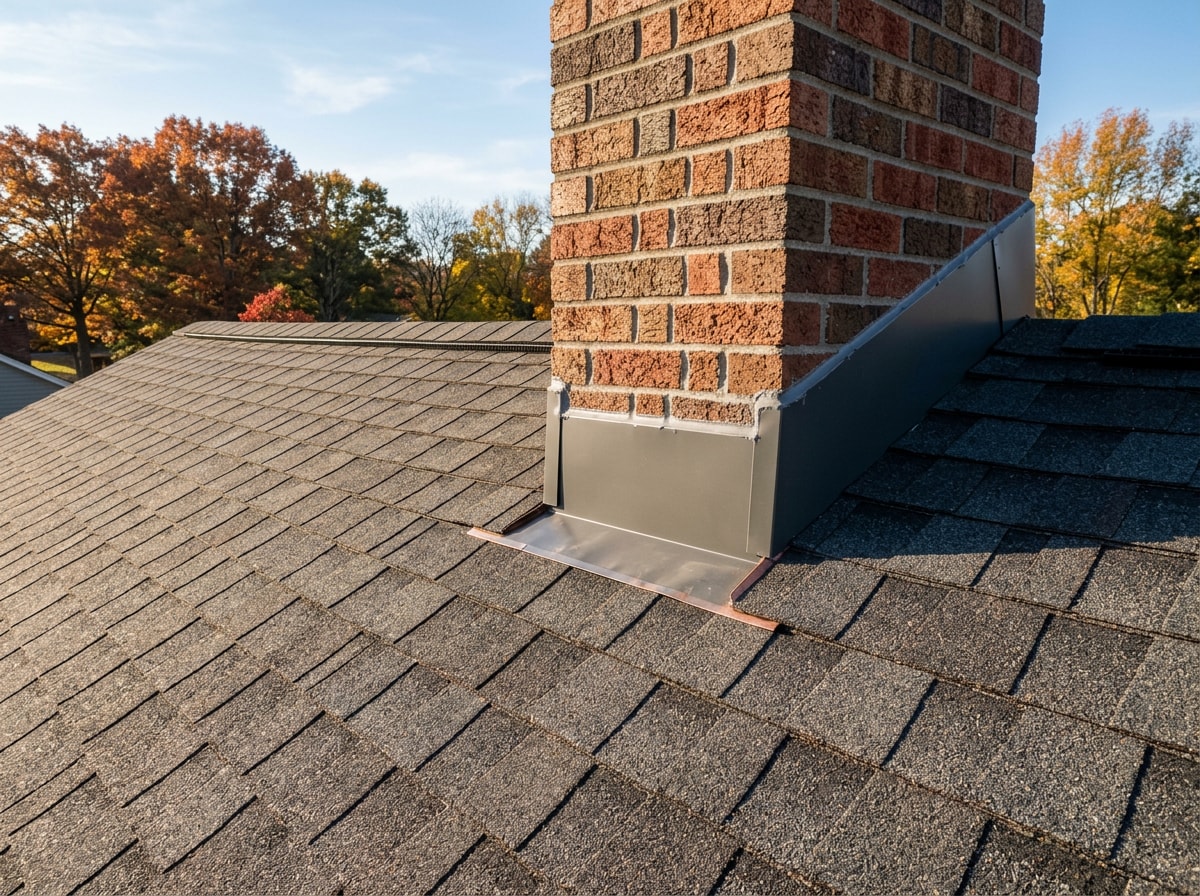
The job includes detailing around chimneys, vents, skylights and gutters, plus choosing methods and materials that fit the structure and the budget.
Most roofers work across several material categories, and many eventually specialize:
- Asphalt shingle, the bulk of residential roof installation
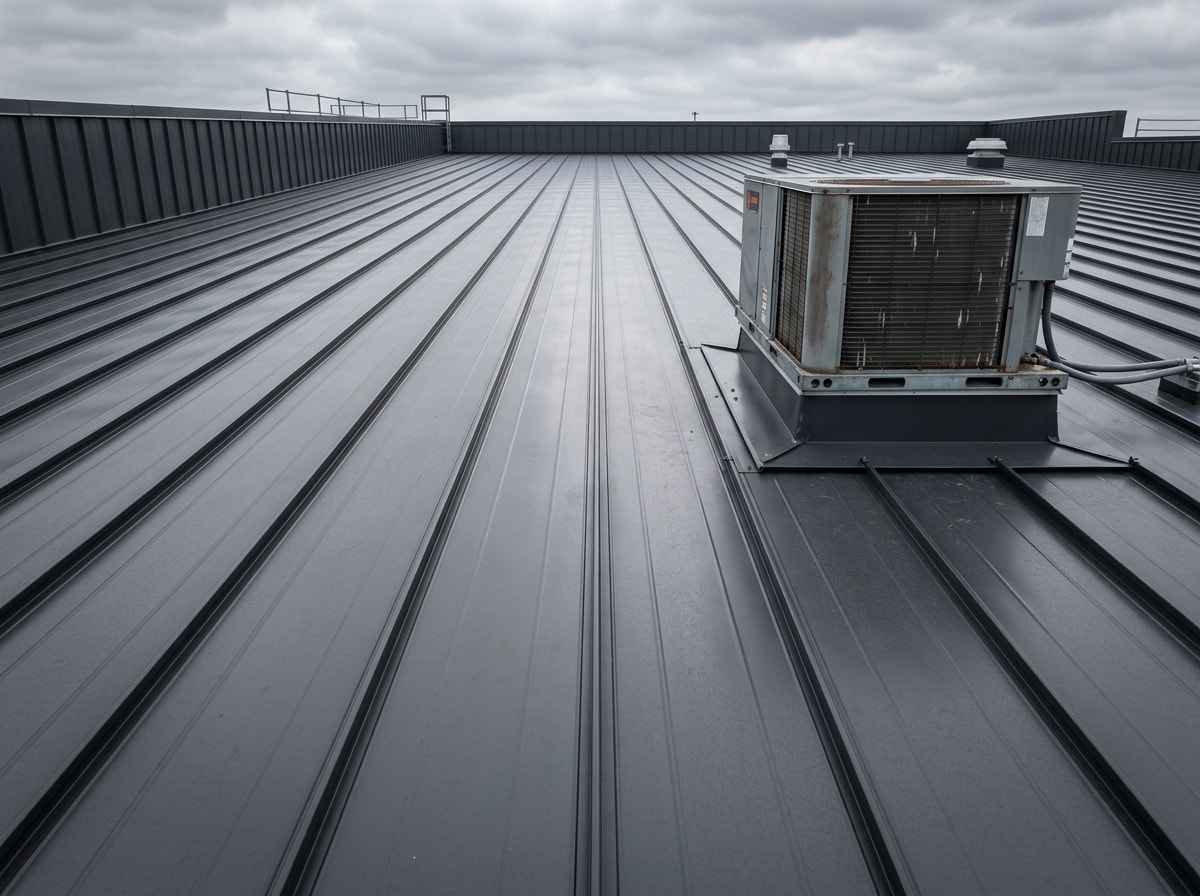
- Metal panel and standing seam
- Tile and slate
- Low-slope membrane systems such as TPO, EPDM and modified bitumen
Conditions define the trade as much as the tasks. Roofing work is physically demanding because it involves climbing, bending, kneeling and heavy lifting.
You work on sloped, elevated surfaces, in heat, cold and wind, often starting at sunrise to beat an afternoon storm.
Seasonality is real. In northern states, roofing work may be limited during winter months, while roofers may work overtime during the busy summer months to complete jobs. A slow February can be followed by a brutal June.
On our own crews in Virginia, the summer rhythm is a 5:30 a.m. load-out so the tear-off is dried in before the 3 p.m. thunderstorms roll through the Rappahannock corridor. That single scheduling habit is the difference between a clean job and a water-damaged ceiling. You can see the range of work this covers on our roofing contractor page or browse finished jobs in our project gallery.
How To Start a Blue-Collar Roofing Career
There is no gatekeeper credential standing between you and a roofing crew. There are typically no formal education requirements for roofers, and although most learn on the job, some enter the occupation through an apprenticeship.
Most people start as a helper, carry bundles, learn tear-off, and pick up installation work within the first season. What determines how fast you move up is the skill set you build and the credentials you collect.
What Skills Do You Need for Roofing Work?
The physical half is obvious: strength, balance, stamina, comfort at height, and tolerance for heat and cold. A roofer can log 15,000 steps on a pitch before noon.
The technical half is underestimated. Good roofers:
- Handle roof measurement and pitch math
- Estimate material quantities with little waste
- Read a deck for rot and soft spots
- Detail flashing and ventilation correctly
- Trace a leak back to a source that is rarely above the ceiling stain
That is problem-solving and attention to detail, not just muscle.
Then there are the skills nobody lists in a job ad: explaining options to a homeowner without jargon, keeping a four-person crew sequenced so nobody is waiting, and photographing conditions properly for an insurance claim or a warranty file.
Are Certifications Required to Work in Roofing?
It depends on the role. Three separate things get confused here.
- Working on a crew. No national roofing certification is required to work as a roofer for an employer.
- Operating as a contractor. A contractor license is a state and sometimes county requirement, and rules vary widely. Some states license roofing specifically, others fold it into general contracting, and a few leave it to the municipality. Our guide on how to get a roofing license walks through the steps and costs.
- Voluntary credentials. Manufacturer certification programs and safety training are optional, but they affect pay and determine which extended warranties a company can offer.
The apprenticeship route deserves a serious look. A registered program combines paid field hours with classroom instruction. Registered Apprenticeship is an industry-driven pathway where individuals obtain paid work experience with a mentor, progressive wage increases, classroom instruction, and a portable, nationally recognized credential. The Department of Labor's apprenticeship.gov career seeker portal lets you search open programs by trade and ZIP code.
Types of Blue-Collar Roofing Jobs
Roofing is not one job. It is a crew of roles with different pay bands and different skill tracks.
| Role | What it involves | Where it sits |
|---|---|---|
| Helper / laborer | Tear-off, cleanup, loading, material handling | Entry |
| Installer / mechanic | Shingle, metal or membrane installation, flashing | Early to mid |
| Service / repair tech | Leak diagnosis, small repairs, maintenance calls | Mid |
| Crew lead | Runs a crew on a single job, quality control | Mid |
| Foreman | Multiple crews, scheduling, safety, inspections | Senior |
| Estimator | Measurement, takeoffs, pricing, scope writing | Senior, off-roof |
| Project manager | Commercial jobs, subs, submittals, billing | Senior, off-roof |
| Owner-operator | Sales, hiring, cash flow, the whole business | Top |
The roof type matters too. Steep-slope residential, low-slope commercial membrane, and metal fabrication are genuinely different tracks.
A 15-year shingle mechanic is not automatically qualified to weld TPO seams on a warehouse. Commercial crews often pay more for exactly that reason. Service work is its own skill as well, which is why roof repair techs are usually the most experienced diagnosticians on the payroll.
Advancement: How Fast Can You Move Up?
Faster than most office tracks. A rough progression:
- Year 1: helper
- Years 2 to 3: competent installer
- Years 3 to 5: crew lead
- Years 5 to 8: foreman
- Beyond: superintendent, estimator or owner
Ambitious people compress that. Ranges shift with company size and local demand across the areas we serve.
Two exits surprise people.
The first is moving off the roof entirely into estimating, sales, inspection or project management, where field knowledge is the whole advantage.
The second is ownership. Starting a roofing business removes the earnings ceiling, and the barrier to entry is low compared with most industries.
Cross-training is a real option too. Solar PV installation, sheet metal and waterproofing all overlap with roofing skills and open sideways moves. Adjacent trades like siding installation keep crews working through months when roof work slows.
Pros and Cons of a Blue-Collar Roofing Career
The upside:
- You earn from week one instead of paying tuition
- No student debt
- Steady demand, since roofs fail on a weather and replacement cycle
- Visible finished work at the end of every job
- A clear path to ownership
- Work that is difficult to offshore or automate
The honest downside:
- Real physical wear over a 30-year career, especially knees, shoulders and back
- Fall and heat-related injury risk
- Weather-dependent hours and seasonal income swings
- A legitimate question about what the job looks like at 55 if you have not moved into a lead, estimating or ownership role
The safety point deserves more than a bullet. Roofing ranks among the higher-risk construction occupations, driven largely by falls.
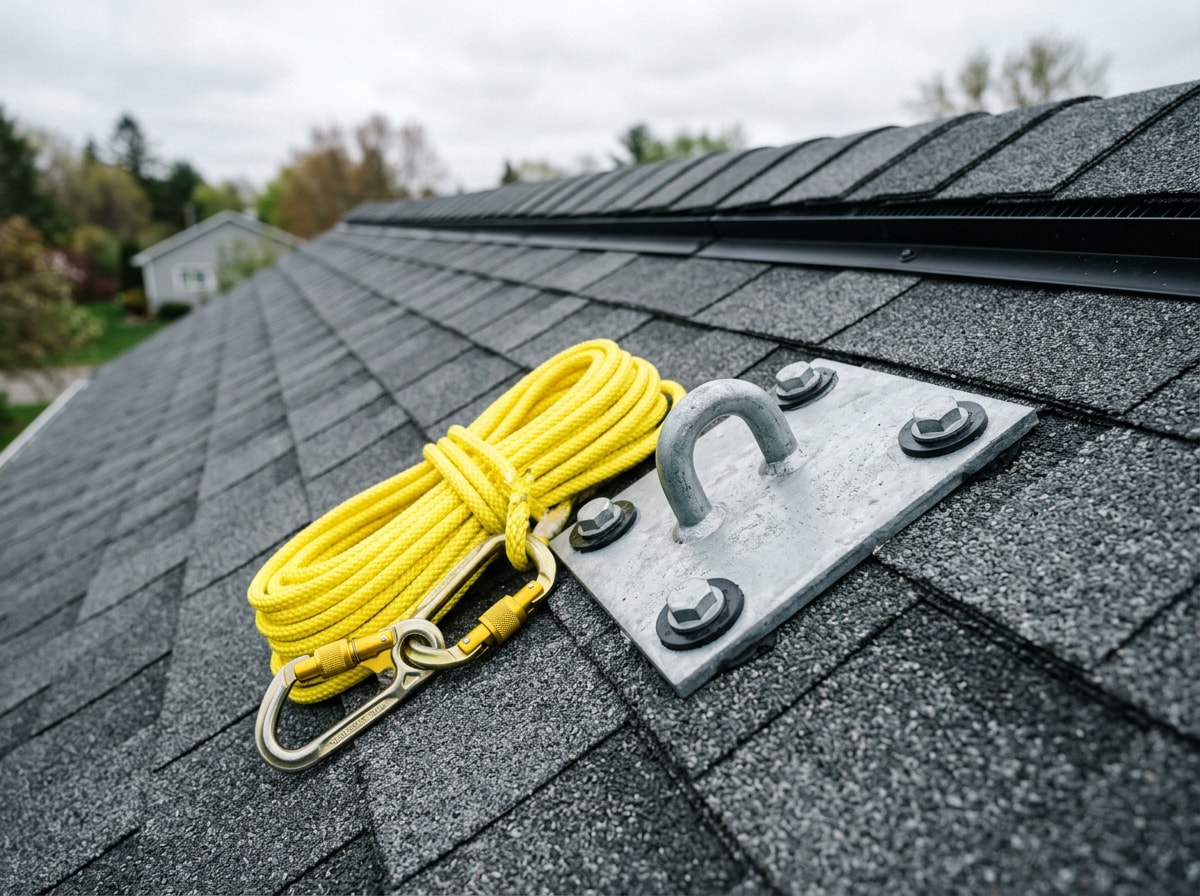
That risk is manageable. Fall protection systems, consistent training and a company that enforces its safety culture change the numbers dramatically.
The federal baseline is specific. Under OSHA's rule, each employee on a steep roof with unprotected sides and edges 6 feet or more above lower levels must be protected by guardrail systems with toeboards, safety net systems, or personal fall arrest systems. Read the full text of OSHA 1926.501, Duty to Have Fall Protection before you accept a job from anyone who treats harnesses as optional.
Blue-Collar vs. White-Collar in the Roofing Industry
Here is what the label hides: one roofing company contains both collars.
The crew on the deck is blue collar. The estimator, the office manager, the insurance supplement specialist and the owner do white-collar work inside a blue-collar industry. Many of them started on the roof.
Spend a day shadowing a crew lead and the distinction blurs further. Between 6 a.m. and 3 p.m. he is running material math, resolving a homeowner's concern about landscaping, re-sequencing after a rain delay, and documenting a rotted deck section for a change order. That is management work performed in work boots.
A rough comparison of the two paths, typical ranges rather than guarantees:
| Roofing trade path | Degree-required office path | |
|---|---|---|
| Upfront cost of entry | Near zero, often paid training | Multi-year tuition |
| Years to full earning rate | 3 to 5 | 4 to 6 after graduation |
| Debt at year five | Typically none | Often still carrying student debt |
| Physical demand | High | Low |
| Income stability | Seasonal swings | Generally steadier |
| Ceiling without ownership | Foreman, superintendent, estimator | Management track |
| Ceiling with ownership | Effectively uncapped | Varies widely |
Neither column is objectively better. They trade different costs for different kinds of freedom.
Homeowners reading this for a different reason, to judge who is standing on their roof, should know the same thing. The crews worth hiring treat roofing as a skilled trade, not day labor. See how we approach that at Shark Construction across Fredericksburg, Stafford, Spotsylvania and Culpeper.
Need work done rather than a career? Get a free estimate and we will put a credentialed crew on your schedule.
FAQ
Are roofers considered blue collar?
Yes. Roofers are classified as blue-collar workers because the job is manual, tool-based, performed outdoors on job sites, and categorized as a construction occupation. The nuance is that roofing is skilled blue-collar work requiring knowledge of materials, codes, measurement and safety.
Is roofing a skilled trade?
Yes. Roofing is a recognized skilled trade involving specialized knowledge of roof systems and building codes, entry through apprenticeship or vocational training, material-specific expertise, and safety qualifications. Like plumbing or electrical work, competence is built through supervised field hours.
How much do roofers make?
The BLS median annual wage for roofers was $55,440 in May 2025, with the lowest 10 percent under $37,460 and the highest 10 percent over $81,720. Crew leads, foremen and commercial specialists sit at the top of that range.
What jobs are considered blue-collar?
Construction trades, maintenance and repair, manufacturing, transportation and utility work. Think roofers, electricians, plumbers, welders, HVAC technicians, machinists, truck drivers and line workers. The common thread is hands-on work producing or maintaining something physical.
Do you need a degree to become a roofer?
No. There are typically no formal education requirements for roofers, and most learn on the job, though some enter through an apprenticeship. A high school diploma or GED helps with employer applications and apprenticeship entry.
Do you need a license to be a roofer?
Not to work on someone else's crew. You usually do need a contractor license to run your own roofing business, and the requirement is set by your state and sometimes your county. Check your state licensing board and local building department before bidding work.
Is roofing a good career?
It is a good career for people who want to earn immediately, avoid student debt, and work with a visible finished product. It is a poor fit for anyone who cannot tolerate heat, height or physical wear. The strongest long-term outcomes belong to roofers who move into lead, estimating or ownership roles before their body forces the issue.
Is roofing hard on your body?
Yes. The work involves climbing, bending, kneeling and heavy lifting. Knees, shoulders and backs take the most abuse over a long career, which is why experienced roofers plan a transition off the roof rather than assuming they will swing a hammer at 60.
Is roofing dangerous?
It carries real risk, almost entirely from falls. The hazard is controlled with anchored fall arrest systems, guardrails, trained crews and enforced site rules. Employers are legally required to provide fall protection on steep roofs at 6 feet or more above a lower level.
---
About the publisher: This guide was written and reviewed by the field and estimating team at Shark Construction LLC, a licensed and insured roofing, siding, window and deck contractor serving Fredericksburg, Stafford, Spotsylvania, Manassas, Culpeper, Dale City, King George and Bowling Green, Virginia. Questions about a roof, a career, or a bid? Reach the team through our contact page.